Q and A: James Armstrong of Bluefield Solar
For premium subscribers we periodically do interviews with fund managers and analysts about current market conditions and funds and markets (occasionally shares) that we invest in. This one is with James Armstrong, managing partner of Bluefield Solar LLP, investment adviser to the Bluefield Solar Income investment trust, one of the very first renewable energy trusts to IPO back in 2013, and a trailblazer for that sector.

James Armstrong
Why the interest in this trust? Well, the renewable energy sector has come a long way since Bluefield Solar and Greencoat UK Wind became the first two trusts of that kind to list in 2013. With nearly eight years of experience behind it, the Bluefield Solar Income fund is not the biggest renewable energy trust, but it has among the best and most consistent performance records, having stuck very closely to its remit of generating an above average yield from its 100 plus UK solar sites.
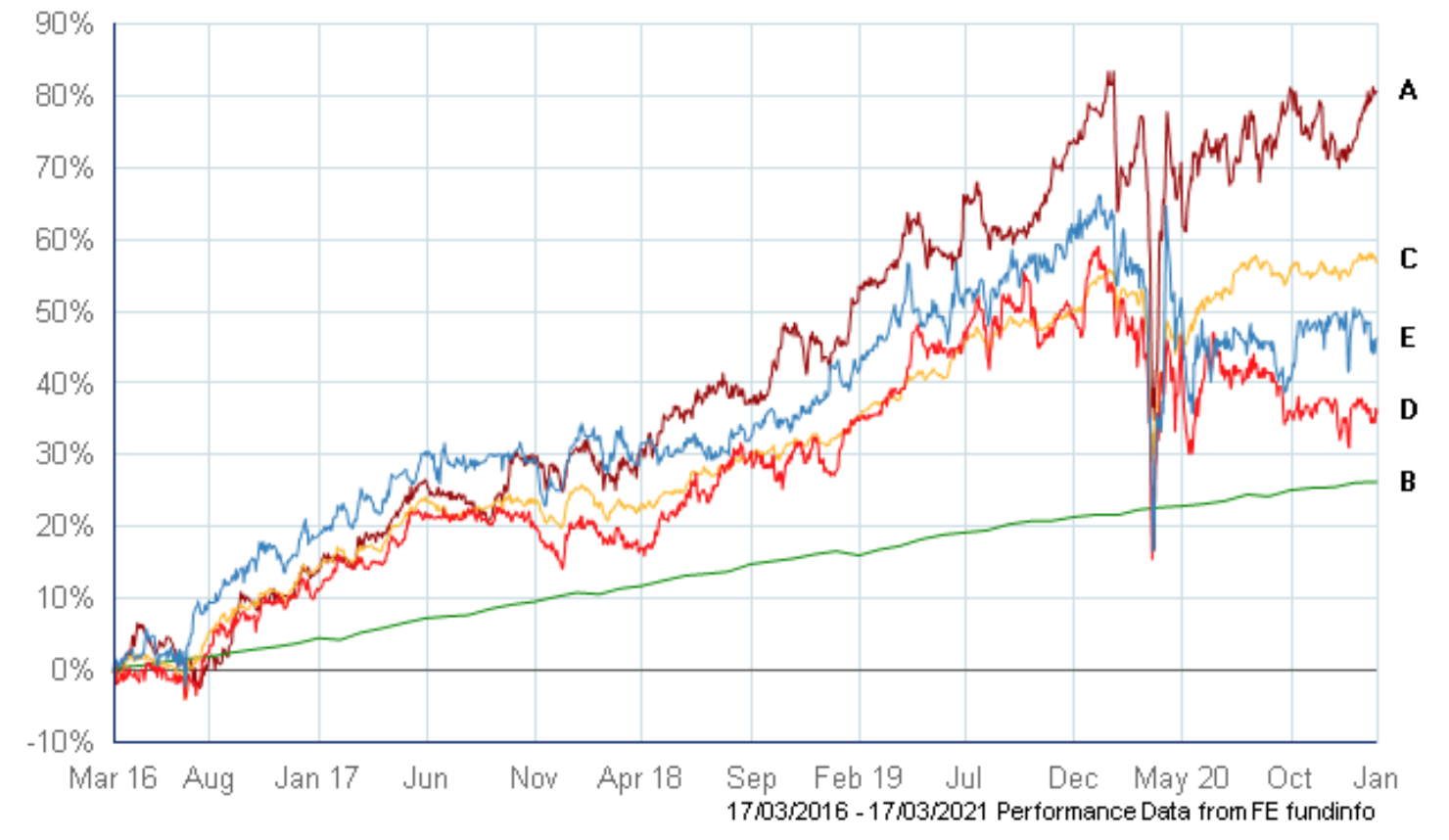

The target dividend for current financial year 2020-21 is 8p per share, which at a recent price of 131p per share produces a prospective yield of 6.0%. The annualised Net Asset Value total return since launch has been a fraction over 10% per annum, above the initial forecast range. Gearing stood at 44% of gross assets at 31 December 2020. The issue for this and many other renewable energy trusts is whether these returns can be sustained in the future, given increasing competition for the best renewable assets, reductions in government revenue guarantees, and a potential rise in bond yields.
Some points to note:
- As with most infrastructure and renewable trusts, the shares in Bluefield Solar Income fund have consistently traded at a premium to net asset value over the past five years, with the exception of the pandemic-inspired market sell-off in February-March 2020, when they briefly moved to a discount.
- Renewable energy projects are now so well established that solar and wind power account for almost 40% of UK electricity generation capacity and are a competitive source of supply for baseload generation even without subsidies.
- Decarbonisation policies will continue to attract and support new investment in solar projects, as will the fashion for ESG investing also, but competition for the best sites is increasing, and power prices are set to become more volatile while the risks to operators are increasing.
- In common with other renewable energy trusts, Bluefield Solar has responded by adapting its investment objective to allow it to invest in wind power and battery storage projects, up to a maximum of 25% pf its assets. As well as being the operator and investor of solar projects, it has also started to act as a developer for the first time.
Given its pitch as a conservative and reliable source of above average dividend yields, the key issue for the company is therefore how well it can sustain its dividend capacity in these new and developing market conditions, questions which are discussed in the Q and A. Investors also need to take a view about the fact that the trust’s shares trade at a premium. This is a link to the company’s latest interim results, covering the half year to 31 December 2020.
Routine reminder: these Q and As are for information purposes only and should not be regarded as an investment recommendation. I do not currently own shares in this trust, although it is one of about 30 trusts which I keep under regular review and regard as among the best in its peer group.